



Reps. Rader, Pizzulli Introduce Bill to Address School Vouchers; We Need Transparency Now
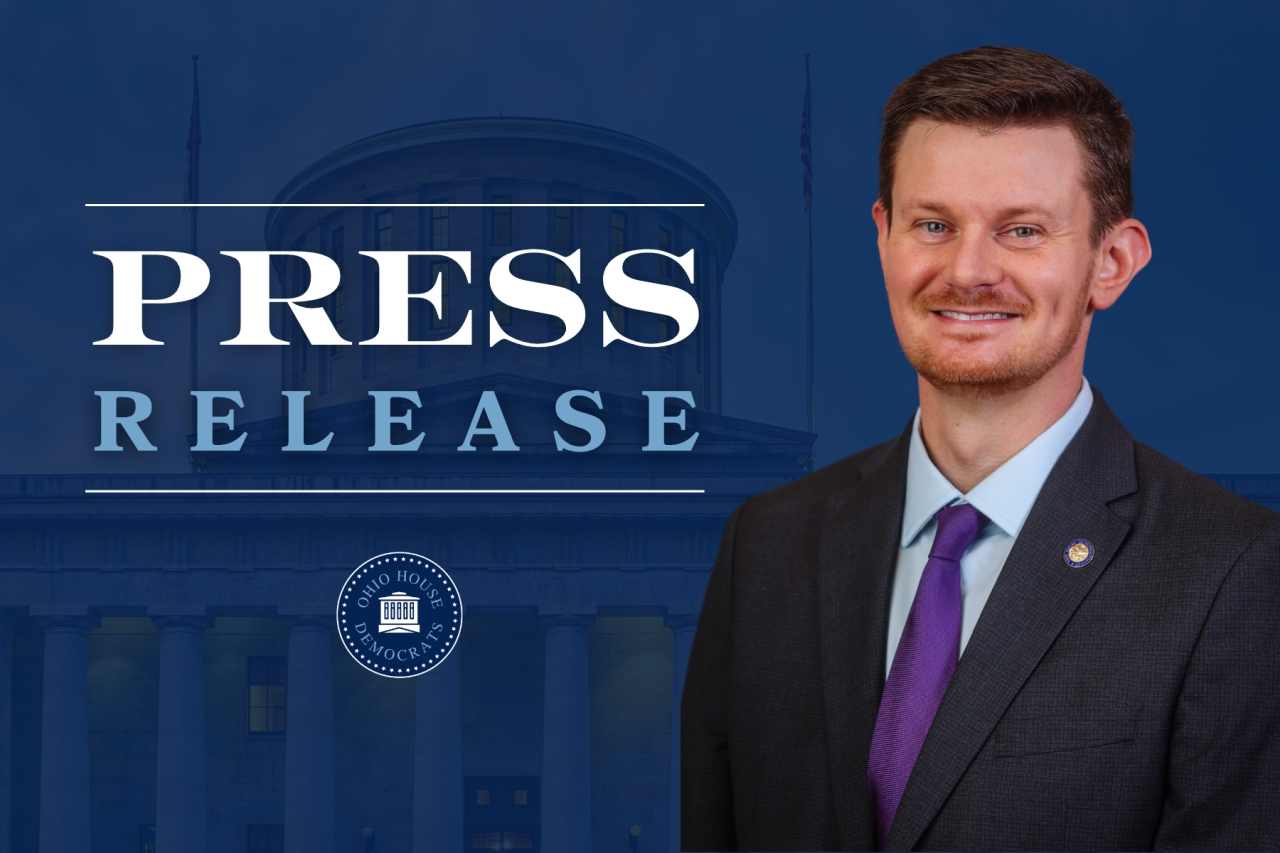
COLUMBUS – State Rep. Tristan Rader (D-Lakewood) and Rep. Justin Pizzulli (R – Franklin Furnace) today introduced a companion bill to SB 443 introduced by Senators K. Smith and Blessing. The “Take the Dough, We Gotta Know Act,” which would impose a slate of transparency measures on the controversial state-funded private school vouchers.
“Public money should come with public accountability – Ohioans deserve to know where their money goes and what students are getting for it,” said Rep. Rader. “The Legislature enabled over a billion in taxpayer dollars to go to private school vouchers in fiscal year 2025 alone, with nearly half going to the EdChoice expansion scholarships. Meanwhile, our public schools are seeing budget shortfalls and going to the ballot for additional funds nearly every year.”
EdChoice vouchers are one of 5 state-funded scholarship programs for students to get a private K-12 education and due to an expansion of the program in recent years, the scholarship has near universal eligibility. Despite receiving large sums of taxpayer money, these schools do not have remotely similar regulatory requirements to public schools, missing key measures like criminal background checks for employees or public graduation and dropout rates.
“Just this week, the 10th District Court of Appeals reaffirmed what we know to be true – these vouchers hurt Ohio’s public schools and funnel money to these institutions that are not subject to any kind of oversight,” continued Rep. Rader. “Public schools should not be suffering losses to support these institutions, and at the very least private schools should have to disclose to the state and parents if they offer disability and language learning accommodations, if they employ people with criminal records, and if their kids will get a quality education at these institutions.”
This bill would impose the following requirements on the Cleveland and EdChoice Programs:
- Enrollment and capacity by grade level, school building and education program
- Number of voucher students enrolled, disaggregated by the type of school the student attended the previous year – such as a traditional public school, a charter school, a different private school or home school
- Number of scholarship students enrolled in the school for each of the five most recent school years
- Number of students with disabilities, disaggregated by disability category as described in state law
- Number of enrolled students who are English learners
- Number of homeless students
- Tuition and fees charged by the school and a five-year cost trend of tuition and fees
- Special education services offered at the school
- Any religious or faith-based instruction provided
- The name of the school’s accrediting body, if any, and the school’s most recent accreditation or evaluation report