




Rep. Rader Votes No on 90-Day Gas Tax Suspension, Demands Meaningful Relief for Ohioans on Data Centers
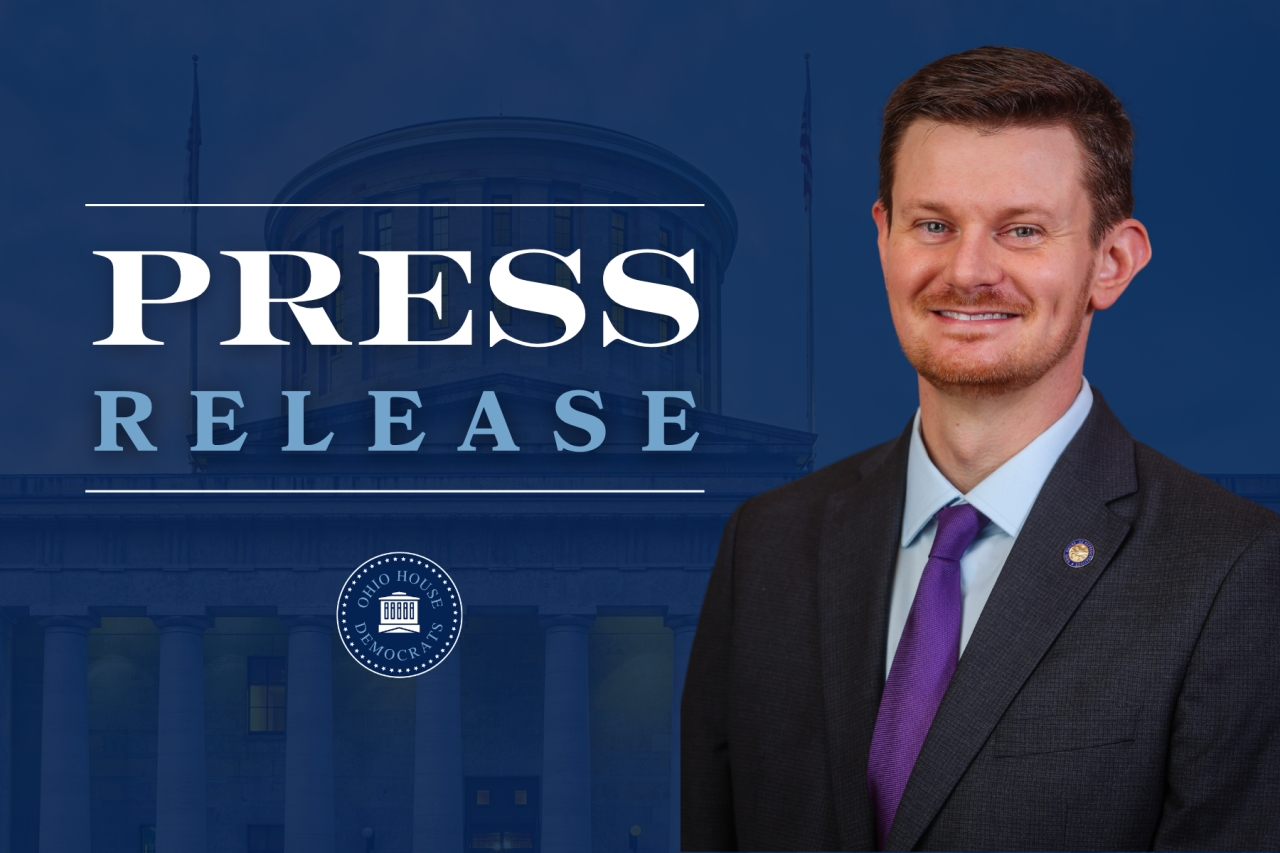
COLUMBUS — State Rep. Tristan Rader (D-Lakewood) announced he will vote against the proposed 90-day gas-tax suspension, calling the $726 million spending plan an election-year political stunt that commits public funds against an anticipated surplus without addressing data centers.
“Republicans have already made devastating cuts to Medicaid, SNAP and public education. Now they want to commit nearly three-quarters of a billion dollars against money they expect to have next June,” Rep. Rader said. “Families will be living with the consequences of this recklessness long after the campaign signs come down.”
The General Assembly has been called back for an unplanned session following a press conference featuring candidate Vivek Ramaswamey and Republican leadership from both chambers to discuss suspending the gas tax for 30 days. When asked about working with federal representatives about de-escalating the United States’ conflict with Iran or passing emergency legislation to regulate the big tech, Republican members of leadership scoffed.
“Ohio lawmakers have direct authority over how our utilities charge customers and the conditions we place on data-center development. We do not control global oil supplies or the war in Iran,” Rep. Rader added. “We should use the authority we actually have to protect Ohio families.”
Not on the Republican agenda for Wednesday’s legislative session is any meaningful legislation about data centers that have increased the cost of utilities for consumers. These costs are only expected to go up if we don’t address it now.
PJM, Ohio’s grid operator, today opened a special capacity procurement to address a projected supply shortfall as data-center demand surges. The proposal kicks the price cap to $555-per-megawatt-day, with commitments that could last 15 years.
Without adequate consumer protections like a dedicated data center rate class, the costs of data center energy consumption will be disproportionately represented in consumer bills.
“These newer facilities will be using more electricity than entire cities, yet they will be in the same rate class as much smaller industrial facilities whose rate class does not come close to capturing the magnitude of an AI data center,” concluded Rep. Rader. “An emergency legislative session should be targeted at providing meaningful, long-term protections to Ohioans like shielding them from ever-increasing utility rates, not temporary relief. This is a political stunt, pure and simple.”