




Rep. Mark Hiner Introduces Resolution Aimed at Providing Billions in Property Tax Relief
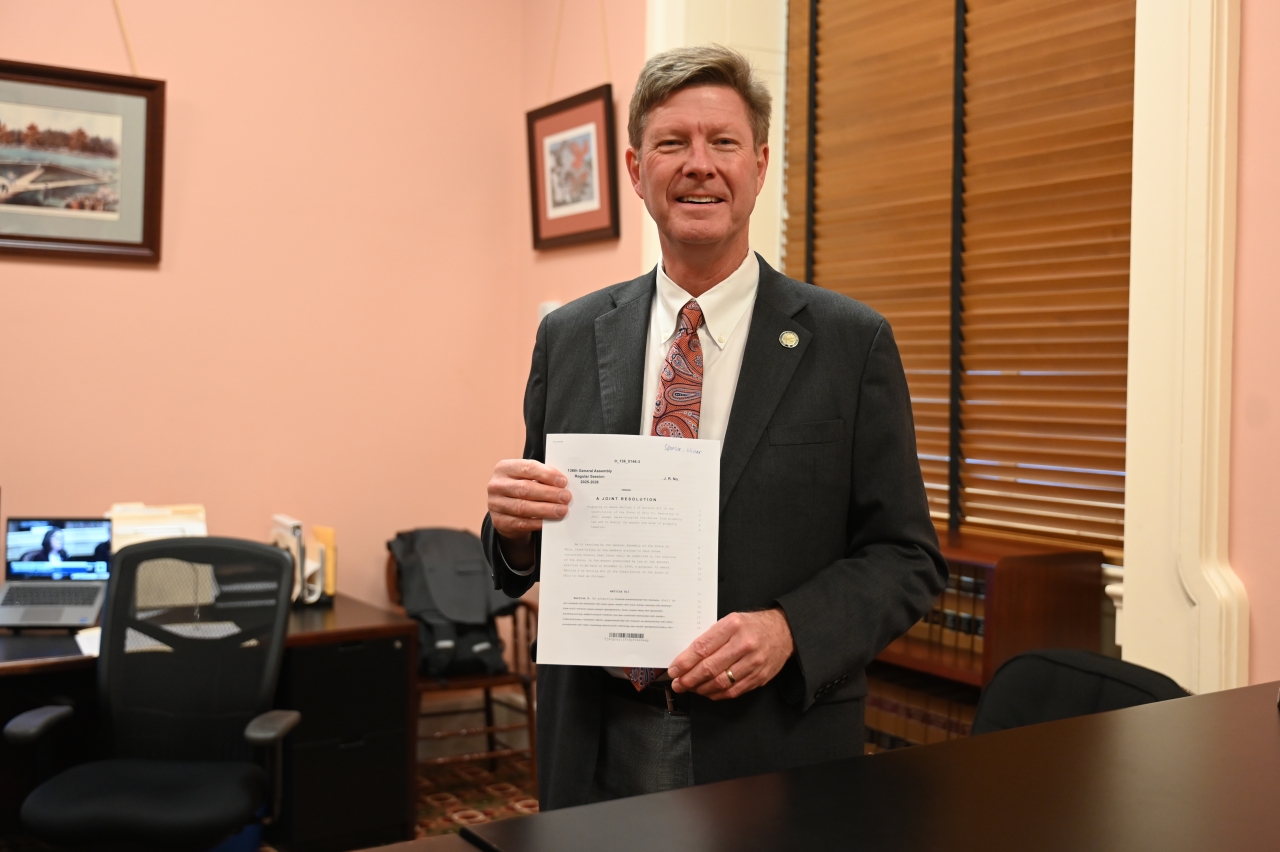
State Representative Mark Hiner (R-Howard) today introduced a resolution that, if adopted by the General Assembly and approved by the voters, would amend Ohio’s Constitution beginning in tax year 2027 to exempt owner-occupied residences from property taxes, providing over $10 billion in property tax relief to homeowners.
“This resolution is a direct response to the constituents in my district and around the state who are having extreme difficulty paying their property taxes amid steep increases in home values,” said Rep. Hiner. “We know there is an effort underway to abolish all property taxes – but that’s not the answer – and is a move that would completely overhaul the state’s tax system and place a heavy burden on the local services people rely on every day. The resolution I introduced today is targeted relief done responsibly.”
House Joint Resolution 7 would eliminate property taxes on owner-occupied residential homes, defined as homes in which the property owner resides as their primary residence. For farmers, this includes the home they live in and the one acre of land where the home sits. Ohio homeowners paid over $10 billion a year in residential property taxes for 2025, after application of state-funded rollback payments and existing state credits for owner-occupied residences.
Under the proposal, property taxes on all other types of real estate would remain unchanged. This includes residential properties that are not owner-occupied, as well as commercial, industrial, agricultural, and public utility personal property. These properties would continue to be subject to property taxation.
The resolution is designed to provide targeted tax relief to Ohioans who live in and maintain their own homes. For the 98th House District, between tax years 2019 and 2024, property taxes increased by nearly 37 percent in Knox County and almost 29 percent in Holmes County.
If approved by three-fifths of the members elected to both chambers of the Ohio General Assembly, the proposal will be submitted to the Ohio Secretary of State for placement on the November ballot. If a majority of Ohio voters approve the measure, it would take effect January 1, 2027.
HJR 7 will be assigned to a House committee for consideration.