




Rep. Brewer Releases Statement on Cleveland Clinic's Proposed Level 1 Trauma Center
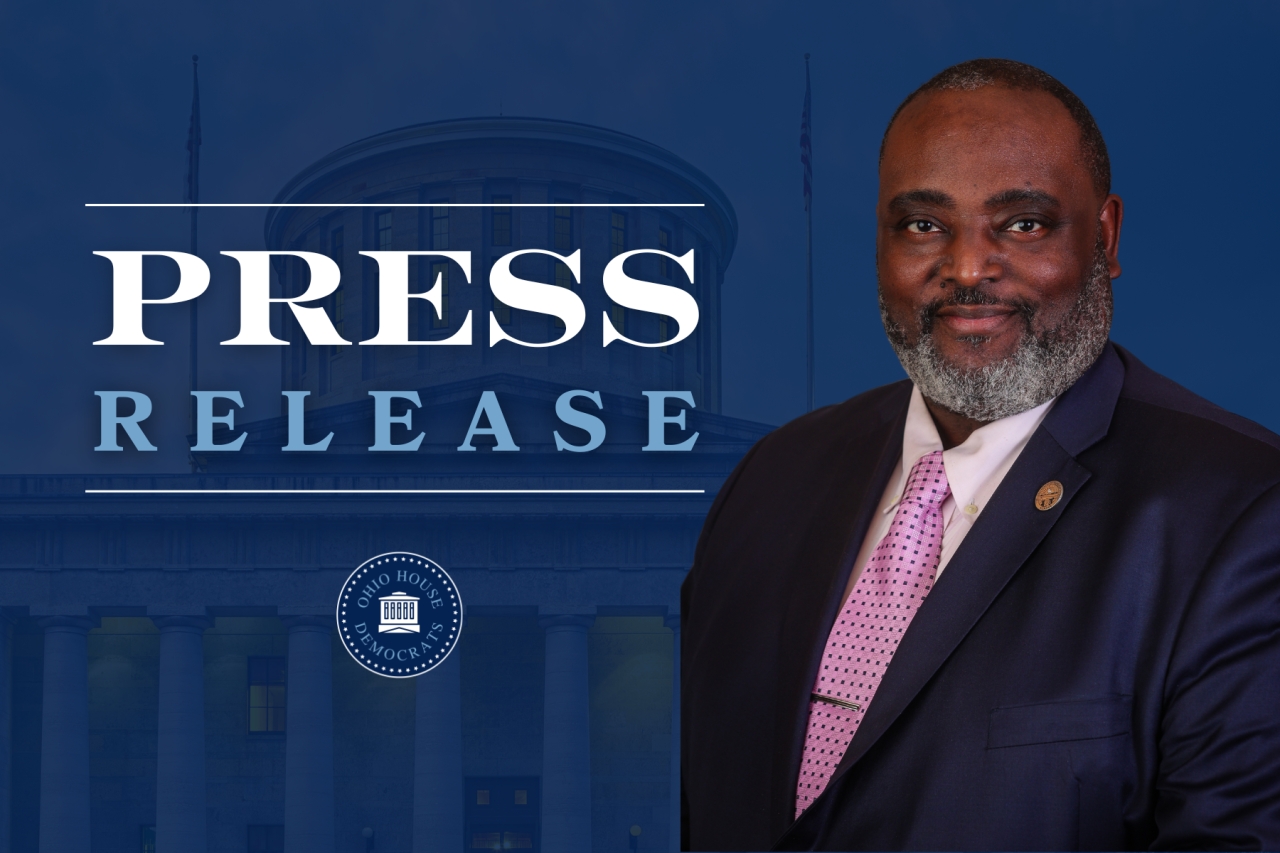
COLUMBUS - State Rep. Darnell T. Brewer (D-Cleveland) today issued the following statement regarding Cleveland Clinic’s (Clinic) plan to pursue a Level I Trauma Center designation at its Main Campus:
“While trauma care is life-saving and critical, this announcement raises serious concerns that require public discussion, transparency, and accountability before any expansion proceeds. Let me be clear: this isn’t opposition to trauma care. It’s a call for a community conversation that should have taken place before such an important decision was announced. I hope the Clinic will begin the conversation.
Cleveland already has three Level I Trauma Centers serving the region. Before adding another, the public deserves clear answers: Is there a need for an additional Level I center? How will it impact existing trauma systems and emergency response coordination? And what tangible community benefits does this expansion provide beyond institutional growth? Also, will aftercare be available? Will community violence interrupters be invited to the clinic, and will they participate in aftercare planning?
What is more concerning is that the Cleveland Clinic has not fully addressed its policy of detaining individuals who bring victims, including those with gunshot wounds, to its facilities. This policy has raised serious civil rights and public safety concerns, especially in communities already disproportionately affected by violence. If people fear being detained or treated as suspects when trying to save a life, they might hesitate to seek emergency care at the Cleveland Clinic's new planned facility. That hesitation can cost lives. Before expanding the trauma designation, the Clinic must publicly clarify whether this policy will remain in place, how civil liberties will be protected, and why a transparent, community-led review has not been conducted.
Trust is not built through press releases. Major healthcare decisions, especially those involving trauma care and law enforcement interaction, require meaningful community engagement, not just after-the-fact announcements. Trauma centers respond after harm occurs; they do not prevent violence. Any discussion of trauma expansion must also include commitments to violence prevention, community-based intervention, and public health strategies that reduce injury before it happens. Cleveland deserves trauma care that saves lives without fear, without criminalization, and with the community involved from the beginning,” said Rep. Brewer.