



Rep. Glassburn Introduces Bill to Prevent Foreclosures from Delinquent Property Taxes
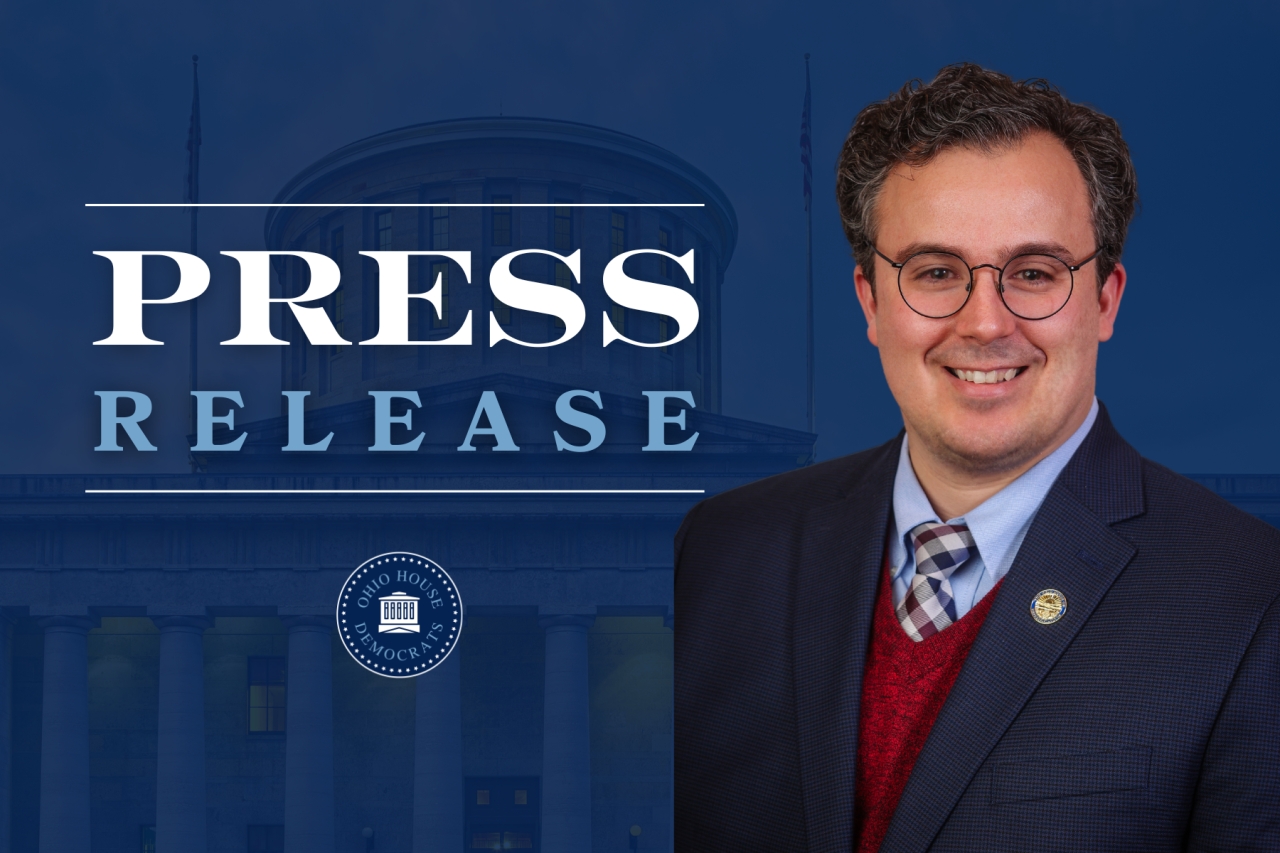
COLUMBUS – State Rep. Chris Glassburn (D-North Olmsted) today announced the introduction of House Bill (HB) 882 to establish a gap-funding mechanism for local governments to temporarily offset lost revenue from delinquent property taxes while helping Ohio homeowners avoid foreclosure.
“Too many homeowners in Ohio can’t keep up with drastically increasing property taxes,” said Rep. Glassburn. “This legislation gives local governments the tools to maintain essential services without forcing families out of their homes. We can protect taxpayers and preserve our community stability at the same time. ”
HB 882 addresses the growing rate of property tax delinquency across Ohio, a challenge that disproportionately impacts seniors and individuals on fixed incomes. According to the Ohio Department of Taxation, there are currently $2.8 billion in delinquent property taxes statewide, representing not only the financial hardships faced by Ohio homeowners but also the funding gap that school districts and local municipalities must address in their budgets.
When property taxes escalate beyond a household’s ability to adapt to a sudden increase in expenditures, delinquency creates a dual crisis: residents risk foreclosure, and local governments face immediate revenue shortfalls. These gaps often force municipalities and school districts to consider budget cuts to essential services, further straining the local government’s ability to function.
HB 882 seeks to mitigate these impacts by creating a $150M revolving fund within the Office of Budget and Management. Under this framework, county auditors could apply for funds to bridge specific revenue gaps resulting from delinquent payments on owner-occupied properties, provided the requested amounts remain below 25% of the market value of the delinquent property. Participating local governments are then required to repay the state within a six-year window.
HB 882 is structured to operate at a net-zero cost to the state by establishing a self-replenishing funding mechanism in which repaid funds are returned to the revolving account for future use. This approach allows local governments to maintain stable funding for essential services while giving homeowners additional time to regain financial stability and avoid foreclosure.
HB 882 has been referred to the House Ways and Means Committee for further consideration and awaits sponsor testimony.