




Rep. Glassburn Introduces Bill to Increase Civil Penalties for Repeat Dredge Dumping
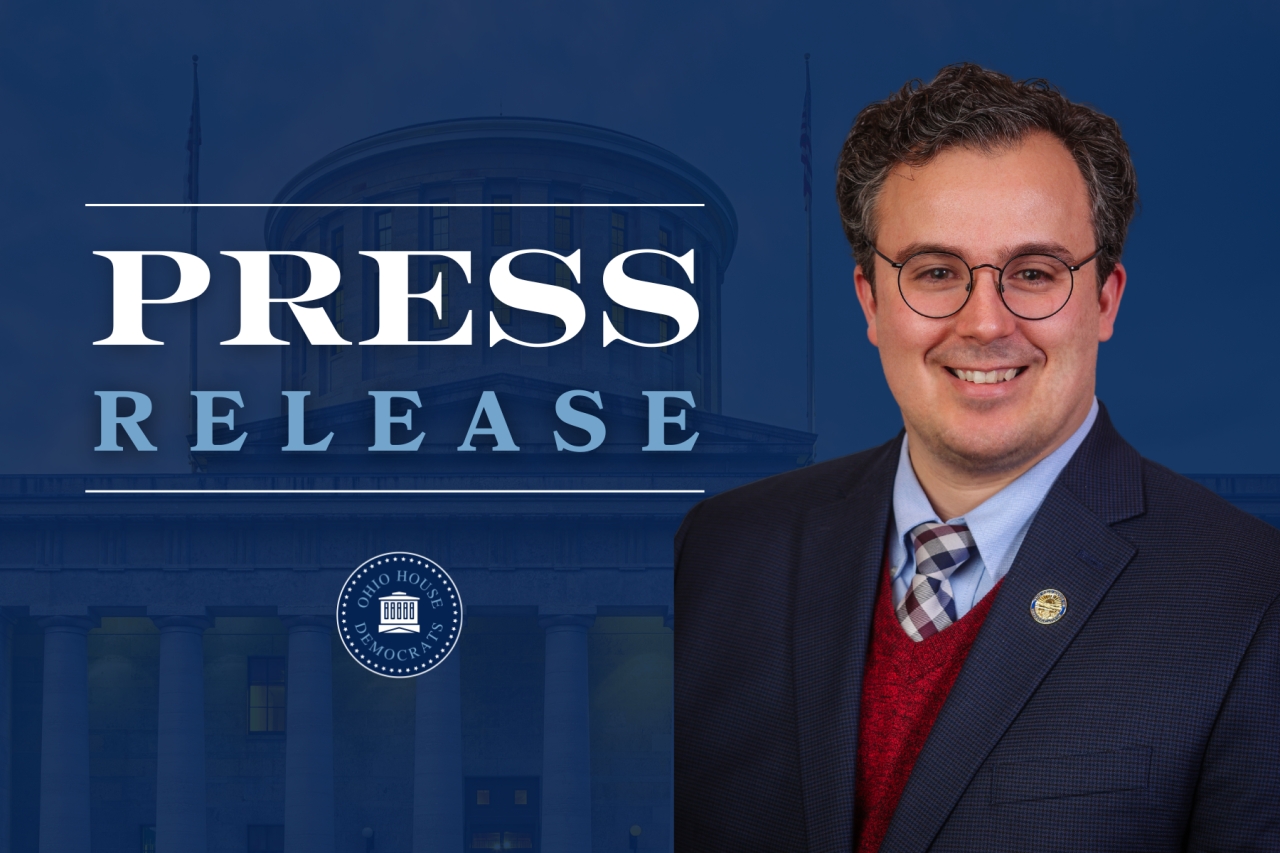
COLUMBUS – State Rep. Chris Glassburn (D-North Olmsted) today announced the introduction of House Bill (HB) 878, designed to safeguard Ohio’s most vital natural resource. HB 878 would establish increased civil penalties for repeat offenders of illegal dredge dumping in Lake Erie, raising the maximum fine to $37,500 per day and per violation.
“Lake Erie is more than just a body of water; it is a cornerstone of our local and state economy," said Rep. Glassburn. “We cannot allow the convenience of illegal dumping to outweigh the preservation of our ecosystem and economy. This bill ensures that individuals or organizations that deliberately and continually choose to jeopardize our water quality, workforce, and recreation areas are met with a deterrent that finally matches the scale of harm they cause.”
Dredge dumping involves the disposal of harbor sediment into bodies of water. While dredging is necessary for maritime commerce, the sediment often contains concentrated nutrients and pollutants that, when improperly disposed of, can degrade water quality and disturb the local ecosystem. Since 2020, Ohio has banned the open-water disposal of dredged material in Lake Erie. However, the current $10,000 cap has proven insufficient in preventing well-funded entities from violating these protections for the sake of expediency.
As a driver of tourism in the state of Ohio, Lake Erie's preservation is both an environmental and an economic concern. Data from Shores and Islands Ohio, estimates that the Lake Erie coastal region had a total economic impact of $20B. Continued harmful algae blooms could result in approximately $2.25M to $5.58M in lost fishing expenditures every year. Additionally, Lake Erie provides drinking water for nearly 3 million Ohioans, making the preservation of water quality a fundamental public health and safety issue. HB 878 builds on the current enforcement mechanisms established back in 2017 and positions Ohio as a leader in environmental enforcement.
HB 878 has been referred to the House Natural Resources Committee for further consideration and awaits sponsor testimony.