



Rep. Erika White Calls for Community-Centered Investment and Fair Access to Public Opportunity
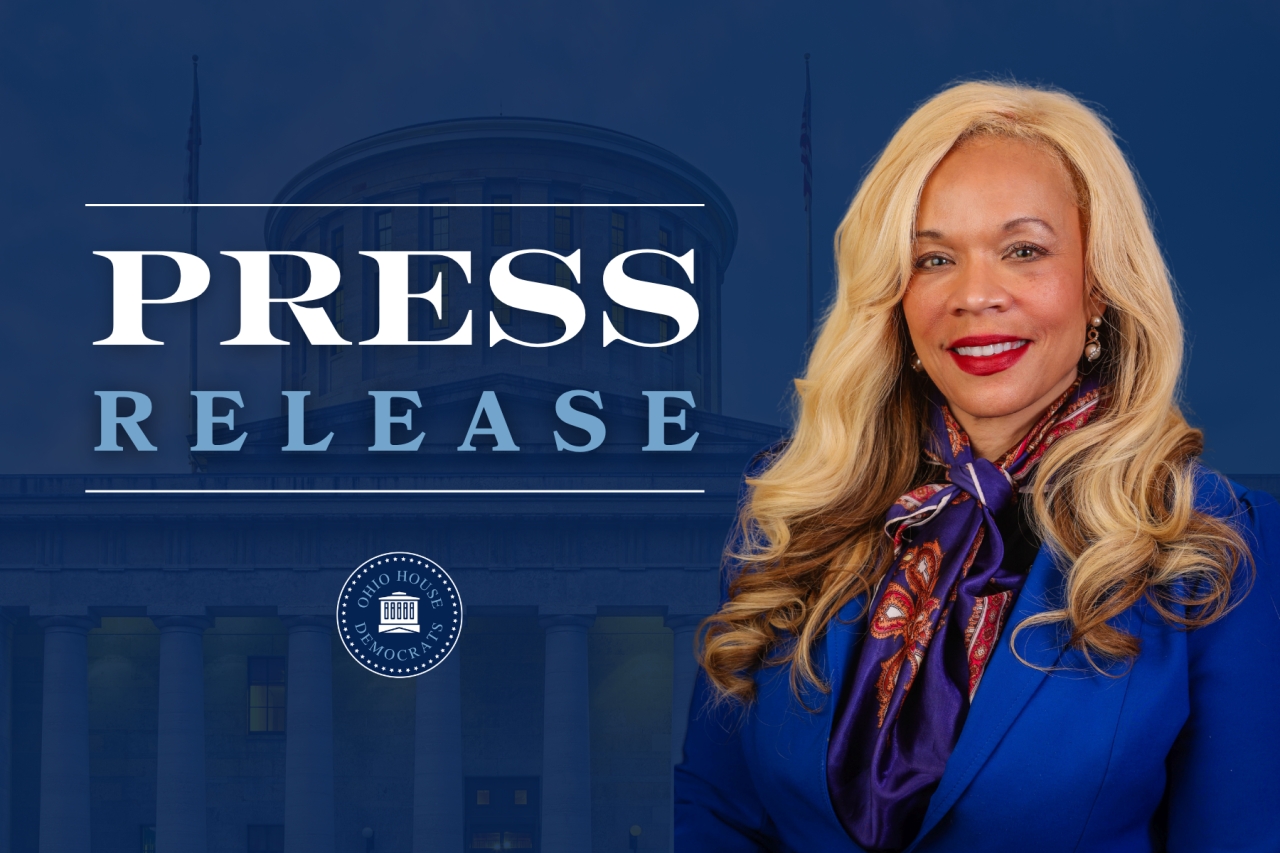
COLUMBUS — State Rep. Erika White (D-Springfield Township) today called for greater transparency, inclusion and community participation when public resources are used to address long-standing neighborhood needs.
The comments come in response to the City of Toledo’s Swayne Field Pop-Up Produce Market, a 10-week pilot intended to expand access to fresh food in an area long identified as having limited healthy food options. According to reporting by The Blade, Al Peake & Sons was the only bidder and is set to receive $15K per week for the pilot. Toledo-based farmers Sonia Flunder-McNair of Urban Wholistics and David Johnson of Johnson Produce Co. said they were not made aware of the opportunity to bid. The City has since acknowledged shortcomings in its outreach, publicly apologized and proposed additional opportunities for local food producers and providers to participate.
“Community investment should mean investing with the community—not simply investing around it,” said Rep. White. “A $15,000-a-week investment to improve access to fresh, healthy food is significant, and I support efforts that bring needed resources into our neighborhoods. However, when public dollars address a community need, we must ask whether the people already doing the work had a meaningful opportunity to participate.”
Rep. White said the issue is larger than one organization, one vendor or one contract.
“These are not people waiting to begin the work. They are already doing it,” continued Rep. White. “Urban Wholistics grows food, develops young people, teaches entrepreneurship and builds healthier neighborhoods. Mr. Johnson and other local growers are also part of the local food ecosystem. They should not be overlooked when new opportunities are created around work they have helped sustain.”
Rep. White emphasized that her role is not to direct a local government’s vendor selection, but to raise broader questions about whether public systems provide fair access to opportunity.
“As a state representative, my responsibility is not to tell a city which vendor to select,” added Rep. White. “It is to ask whether public systems give existing local organizations a fair opportunity to be considered and strengthened.”
Rep. White said the concern reflects a broader pattern seen in Lucas County and across Ohio, particularly in Black and historically marginalized communities.
“We have seen versions of this pattern in housing, food, health, art, entertainment, beauty, culture and small business. Communities create the value, shape the culture and build the demand - then too often watch others receive the investment, ownership and opportunity,” said Rep. White. “That is not just potential. It is community infrastructure.”
Rep. White acknowledged the City of Toledo’s apology and its recognition that outreach surrounding the pilot fell short.
“Accountability matters. However, an apology cannot restore a lost opportunity, replace the capacity investment could have built, or make up for jobs, training, business growth and organizational strength that were never created,” continued Rep. White. “When communities are overlooked, the loss is not only recognition. It is revenue, ownership, capacity and the opportunity to build something lasting.”
Rep. White stressed that the answer is not to oppose new investment, but to make investment more inclusive, effective and rooted in the communities it is intended to serve.
“The answer is not to oppose new investment. The answer is to make investment better,” added Rep. White. “Before we look outside a neighborhood for solutions, we should ask: Who is already doing the work? Who has been growing the solution? And have they been given a meaningful opportunity to participate?”
Rep. White said real community investment should create long-term capacity, not simply short-term programming.
“Real community investment should leave behind stronger local businesses and organizations, jobs, ownership and greater capacity in the hands of the people who live and work there,” concluded Rep. White. If we are serious about building stronger communities, we cannot keep funding solutions while overlooking the people who have already been building them. That is how we stop simply bringing resources into communities and start sowing into communities on purpose.”