




Rep. Robb Blasdel Applauds Signing of Property Tax Relief Bills
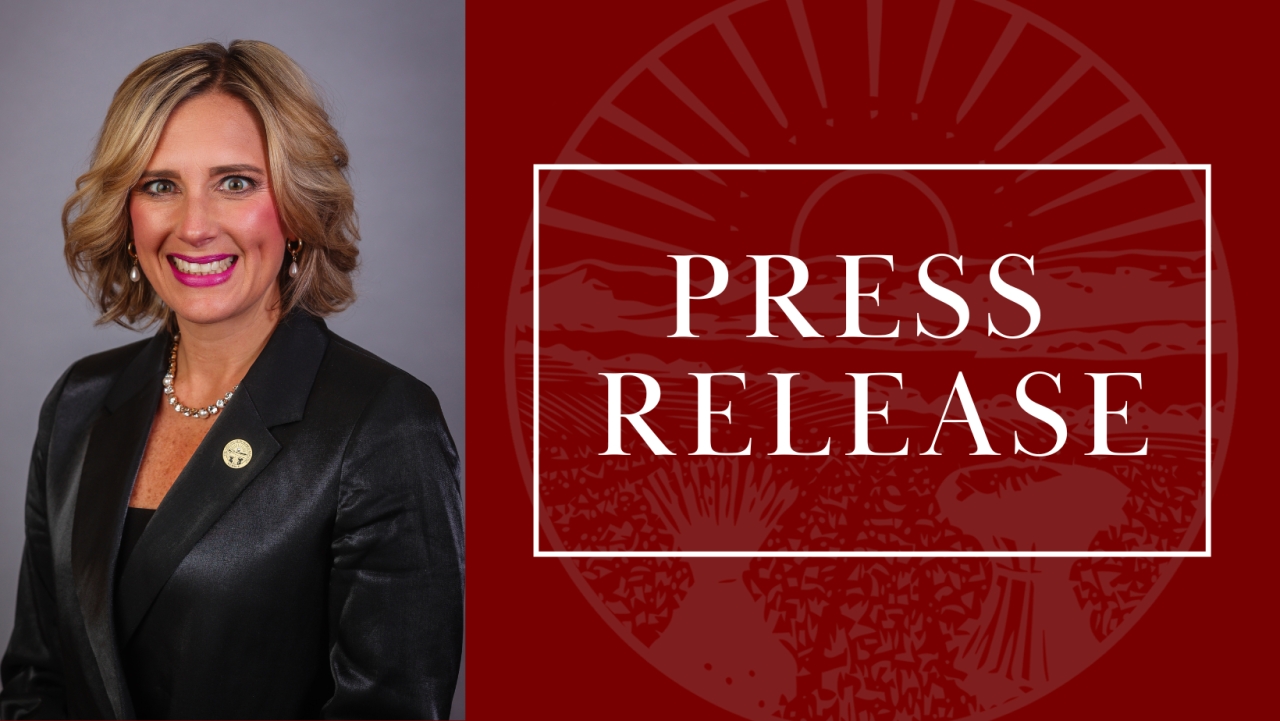
State Representative Monica Robb Blasdel (R-New Waterford) today applauded the signing of House Bills 124, 129, 309, 186, and 335 – five initiatives championed by House Republicans that work to curb tax hikes and deliver direct property tax relief to Ohioans, totaling more than $3 billion in savings.
“These measures reflect a responsible approach to property tax relief by protecting homeowners while ensuring schools and local services remain supported. This legislation brings balance and long-term stability to Ohio’s property tax system,” said Robb Blasdel.
STOP THE SPIKES - 20-Mill Floor Inflation Cap
House Bill 186 will save Ohio property owners nearly $1.7 billion over the next three years by establishing a new Inflation Cap Credit that prevents increases in school district property taxes from exceeding the rate of inflation. The initiative also includes an appropriation holding Ohio school districts harmless for actual losses over this appraisal period compared to their current property tax collections, which will help schools that are not up for reappraisal or reevaluation this year offset any actual revenue losses. Ohioans will begin to see relief through this credit as early as June 2026.
Members of the House also approved changes in the bill that would update the owner-occupancy tax credit, a move that will provide more than $800 million in relief to Ohio homeowners over the next four years. The bill phases out the nonbusiness credit – except for agricultural property owners – and expands the owner-occupancy tax credit. Ohioans will begin to see relief through the expansion of the OCC in January 2027.
STOP THE SPIKES - Inside Millage Inflation Cap
House Bill 335 caps increases in inside millage collections to the rate of inflation. The bill requires county budget commissions to adjust the rate of each inside millage levy so that it does not grow by more than the sum of the three previous years of inflation. This happens during the county’s sexennial reappraisal or triennial update. The net effect of this provision totals between $621 million and $763 million in property tax relief over the next three years. Ohioans will begin to see relief through this cap in January 2027.
A CHECK ON TAX HIKES
House Bill 129 implements a check on tax hikes by counting emergency, substitute, incremental growth, conversion levies and the property tax portion of combined levies toward the 20-mill floor – closing loopholes and slowing tax spikes. This measure ultimately lifts 237 districts off the 20-mill floor over the next four years.
The bill also provides a new alternative levy option. School districts with an existing emergency or substitute levy may renew these levies indefinitely as a “fixed sum levy.” The bill also allows schools on fiscal distress, as designated by the Auditor of State, or under a disaster declaration to levy a new one-time 5-year “fixed sum levy” to cover current expenses. These options provide additional flexibility for school districts.
MINIMIZING UNNECESSARY COLLECTIONS
House Bill 309 slashes unnecessary collections by expanding the county budget commission’s authority to modify levies and trim unnecessarily high millage rates, shielding Ohioans from overly excessive tax bills.
FLIP THE SCRIPT
House Bill 124, also known as “Flip the Script,” empowers county auditors to have greater oversight over determining property tax sales information used for determining property valuations.
These actions build on the legislative work already accomplished by the House Republican Caucus through the state budget, including a provision that allows boards of county commissioners to provide direct relief to seniors, disabled veterans & families of first responders through homestead exemptions, and up to 2.5% owner-occupancy tax credits.