




Rep. Mike Dovilla Introduces Legislation to Strengthen Fiscal Accountability Through Zero-Based Budgeting
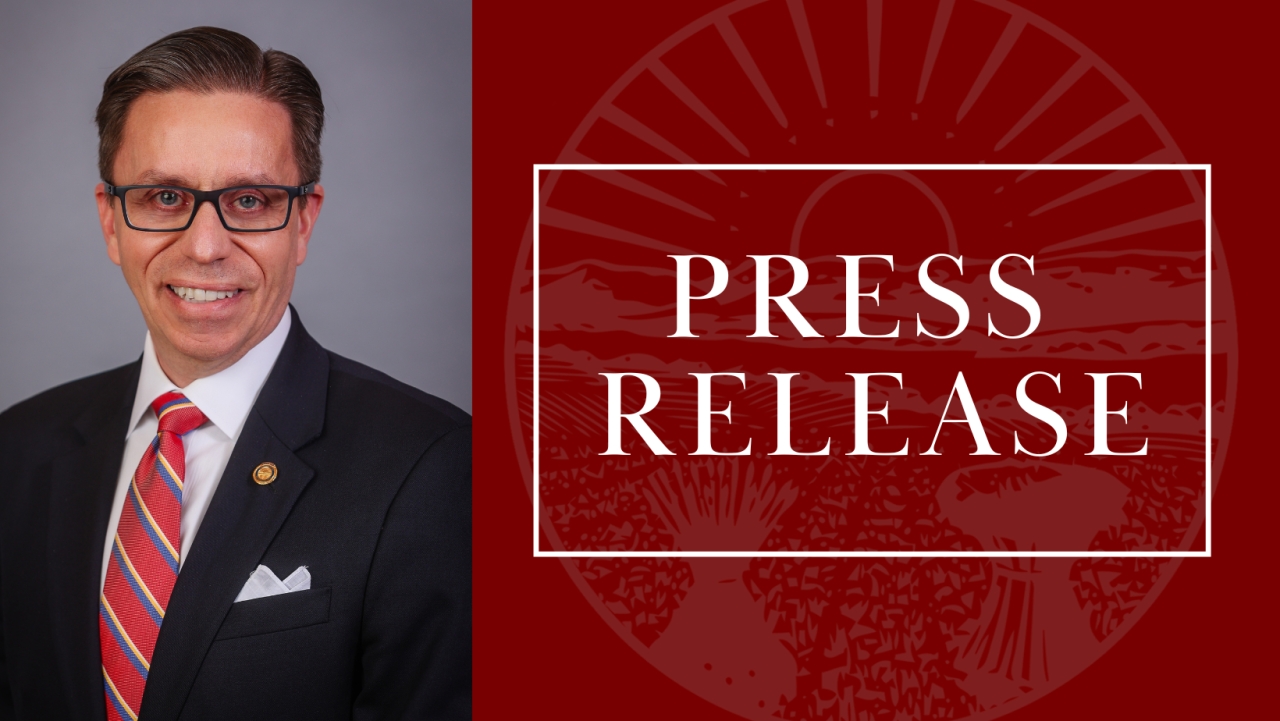
State Representative Mike Dovilla (R–Berea) today introduced a House bill and a House concurrent resolution designed to promote greater fiscal discipline, transparency, and accountability through the use of zero-based budgeting.
House Bill 645 would require Ohio periodically to employ zero-based budgeting in the development of the state operating budget. Beginning with the 137th General Assembly, which will convene in January 2027, and every ten years thereafter, state agencies would be required to build their budget requests from the ground up, rather than relying on prior biennial spending levels as a starting point.
Under traditional budgeting practices, agencies typically begin with the previous budget and adjust spending upward based on inflation, growth, or new initiatives. Over time, this incremental approach can allow outdated, inefficient, or duplicative programs to continue without meaningful review. Zero-based budgeting takes a different approach by requiring agencies to justify each requested dollar based on current needs, performance, and priorities.
“Zero-based budgeting shifts the focus from what government has spent in the past to what it actually needs to accomplish its mission today,” said Dovilla. “By periodically starting at zero, lawmakers and taxpayers gain a clearer picture of how public dollars are being used and whether those expenditures are delivering measurable value.”
By requiring agencies to reexamine programs and expenditures on a regular basis, zero-based budgeting encourages careful evaluation, prioritization, and accountability, while helping to ensure that limited taxpayer resources are directed toward the most effective and essential functions of government.
In addition to H.B. 645, Rep. Dovilla introduced a House concurrent resolution urging the United States Congress to adopt a zero-based budgeting process at the federal level. The resolution specifically acknowledges Senate Bill 181, introduced in the 119th Congress, which would require federal agencies to submit budgets using zero-based budgeting principles.
The resolution highlights this federal proposal as a constructive step toward improving congressional oversight of agency expenditures and promoting a more deliberate review of federal spending priorities.
“Responsible budgeting requires more than simply carrying spending forward year after year,” Dovilla added. “Whether at the state or federal level, zero-based budgeting provides policymakers with an opportunity to reassess priorities, improve oversight, and strengthen long-term fiscal responsibility.”
Both pieces of legislation await a committee assignment.