



Rep. David Thomas Hosts Undersecretary of Energy at Statehouse to Discuss Data Centers, Ratepayer Protection Pledge
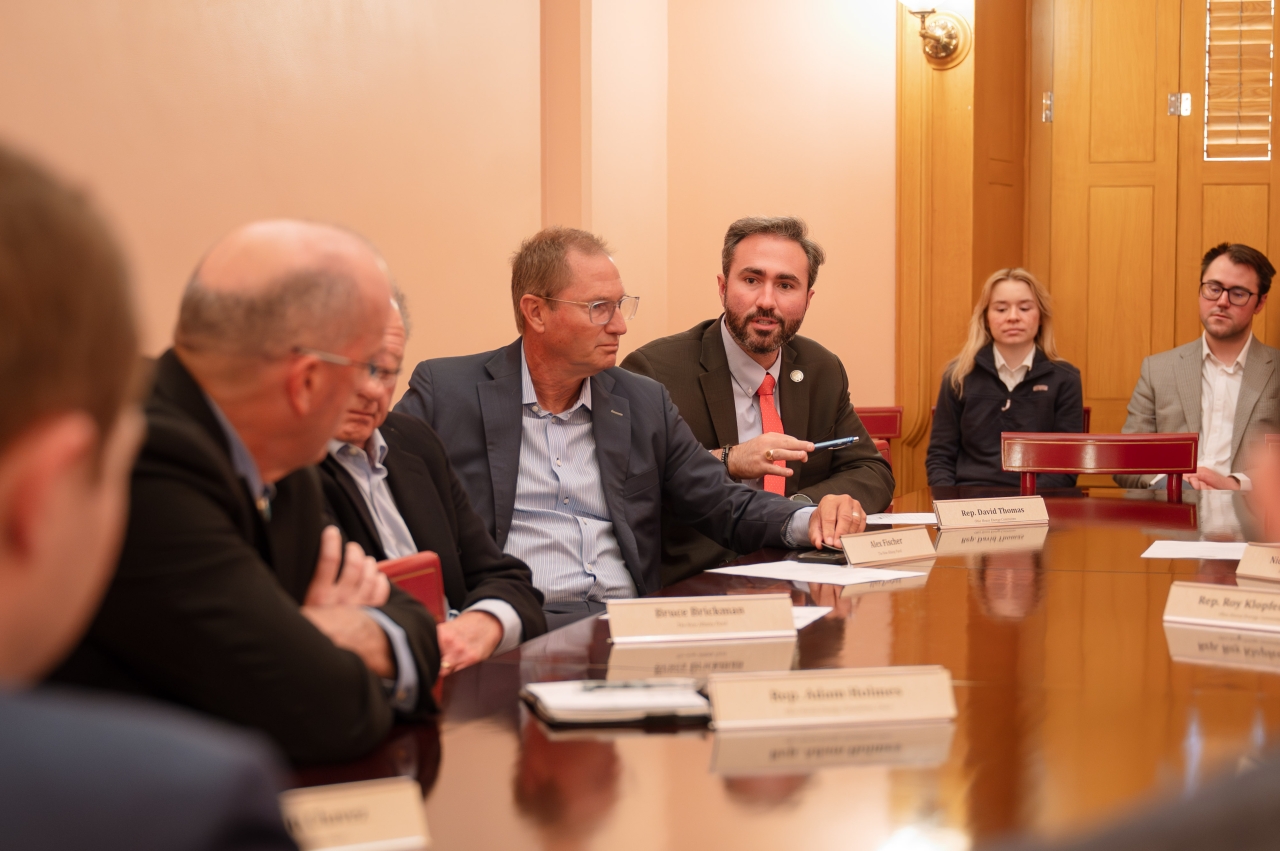
State Representative David Thomas (R-Jefferson) was joined yesterday by Alex Fitzimmons, Undersecretary of Energy for the U.S. Department of Energy; State Representative Adam Holmes (R-Nashport), Chair of the House Energy Committee; and representatives from the America First Policy Institute (AFPI) to discuss the Ratepayer Protection Pledge and Ohio’s leadership on data center accountability, which includes HB 706 that establishes minimum statewide standards for electric service agreements with data center customers.
The roundtable brought together Ohio policymakers, industry leaders, community advocates, and utility representatives for a productive discussion on House Bill 706 and ensuring AI data center growth does not burden Ohio ratepayers.
“We had a great conversation, and it is awesome to know that Ohio is once again leading the nation in ratepayer protection policies. What the legislature has already done, and with us working on HB 706, we are making sure that Bob and Betty Buckeye will not be paying for data centers and other large users,” said Rep. Thomas, who is a joint sponsor of House Bill 706.
“We always appreciate the Department of Energy communicating their intent and vision,” said Chair Holmes. “Ohio is working hard to stay aligned with the strategic plans of the Trump administration and making Ohio the preeminent destination for energy development nationwide.”
House Bill 706, introduced by Representatives David Thomas and Tristan Rader, builds on consumer protections already being implemented in AEP Ohio’s service territory, through a PUCO-approved tariff. AEP has reported that early results from this tariff structure are “working as designed.” This legislation would apply those same safeguards statewide, ensuring consistent safeguards for ratepayers across Ohio.
House Bill 706 requires data center customers to enter into long-term service agreements with electric utilities before utilities construct dedicated infrastructure. It also directs the Public Utilities Commission of Ohio (PUCO) to establish standards for interconnection queue practices, load study deposits, and milestone requirements.
Additional bill provisions include the following:
- Prohibiting electric utilities from recovering data center associated costs from other customer classes
- Minimum contract commitments of twelve years and minimum billing standards
- Financial assurance requirements before the construction of dedicated facilities
- Return of exit payments or unused-capacity charges to customers
The roundtable also included discussion of House Bill 15, a market-driven, comprehensive initiative passed by the Legislature last year that aims to boost power generation in Ohio, improve affordability for ratepayers and increase reliability within the state’s electrical grid.