


Rep. Lawson-Rowe: Ohio Republicans Place New Burdens on Voters by Adding Unnecessary Hurdles to the Voting Process
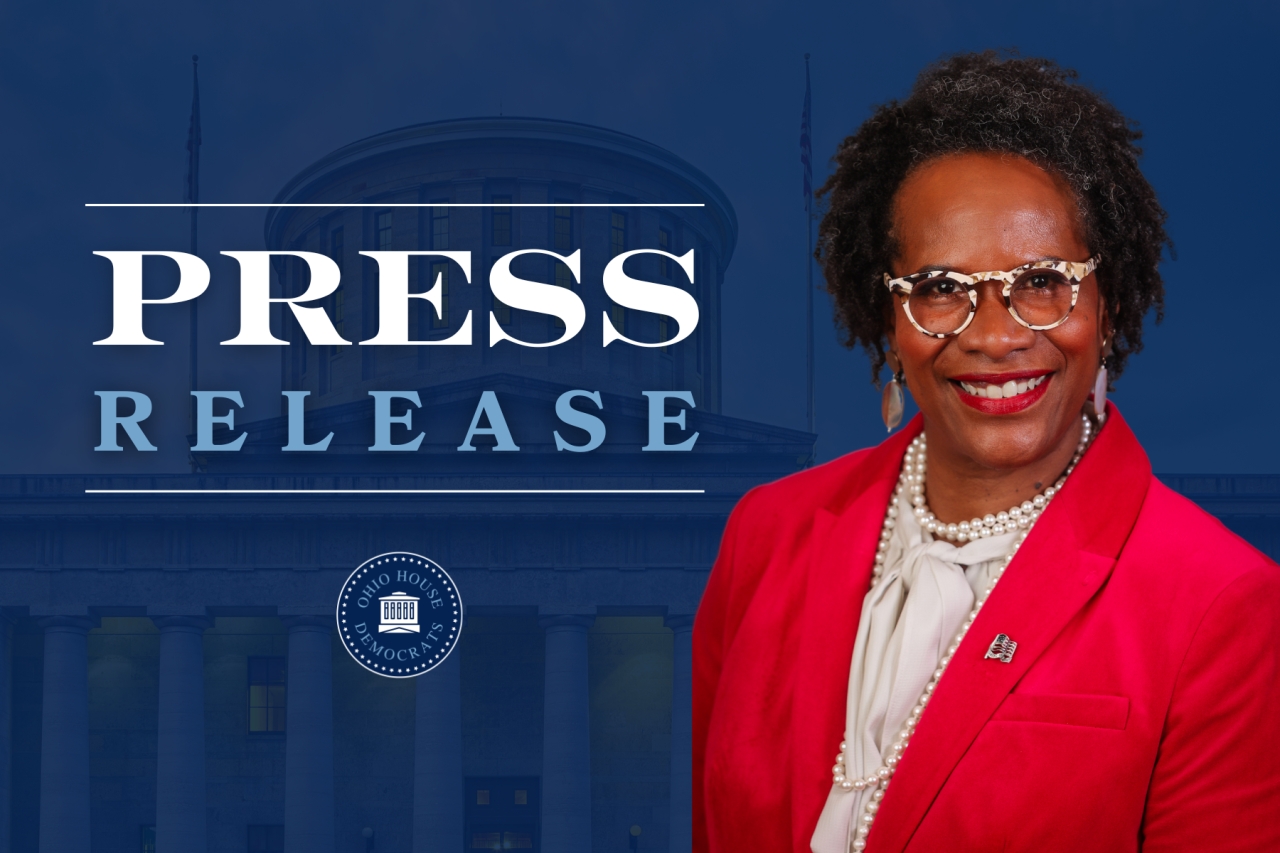
COLUMBUS — State Rep. Lawson-Rowe (D-Reynoldsburg) today condemned the passage of anti-voter Senate Bill (SB) 293 which places new burdens on voters by adding unnecessary hurdles to the voting process, shortening the time available for Ohioans to make their voices heard, and weakening essential accountability measures.
“SB 293 is a direct attack on people of color and working Ohioans who already face barriers to voting. Despite Secretary of State Frank LaRose confirming that only 0.0005% of ballots in the 2020 election were affected by potential fraud—less than 27 out of nearly 6 million votes—this bill creates unnecessary barriers for voters. Instead of working to expand access, why isn’t this General Assembly focused on solutions like increasing drop boxes, creating more drop-off locations, and making it easier for people to vote? This bill only serves to silence those who need their voices heard the most,” said Rep. Lawson-Rowe.
The bill, which moved with lightning speed through the General Assembly and was heavily amended only the day before passage, would throw out absentee ballots because the mail is late. Current law allows for a grace period for mailed absentee ballots to arrive after election day. The bill eliminates this grace period and says all ballots must arrive by 7:30pm on election day. This creates additional, unnecessary barriers to people who simply want to legally exercise their right to vote and may not be able to physically make it to their polling location. In 2024, nearly 1 million Ohioans voted by absentee mail-in ballot or absentee drop box and thousands would have not counted under this law.
It also creates vague and problematic procedures that could cancel registrations when other agencies’ databases reflect different information or records, whether or not those records are factually correct. Without clean procedures in place, Ohioans could easily be disenfranchised when one of the multiple databases that contain their information have inaccurate or out-of-date information.
SB 293 now heads to the governor’s office for signature.