




Reps. David Thomas and Glassburn Introduce a Bipartisan, Property Taxpayer Reform Bill
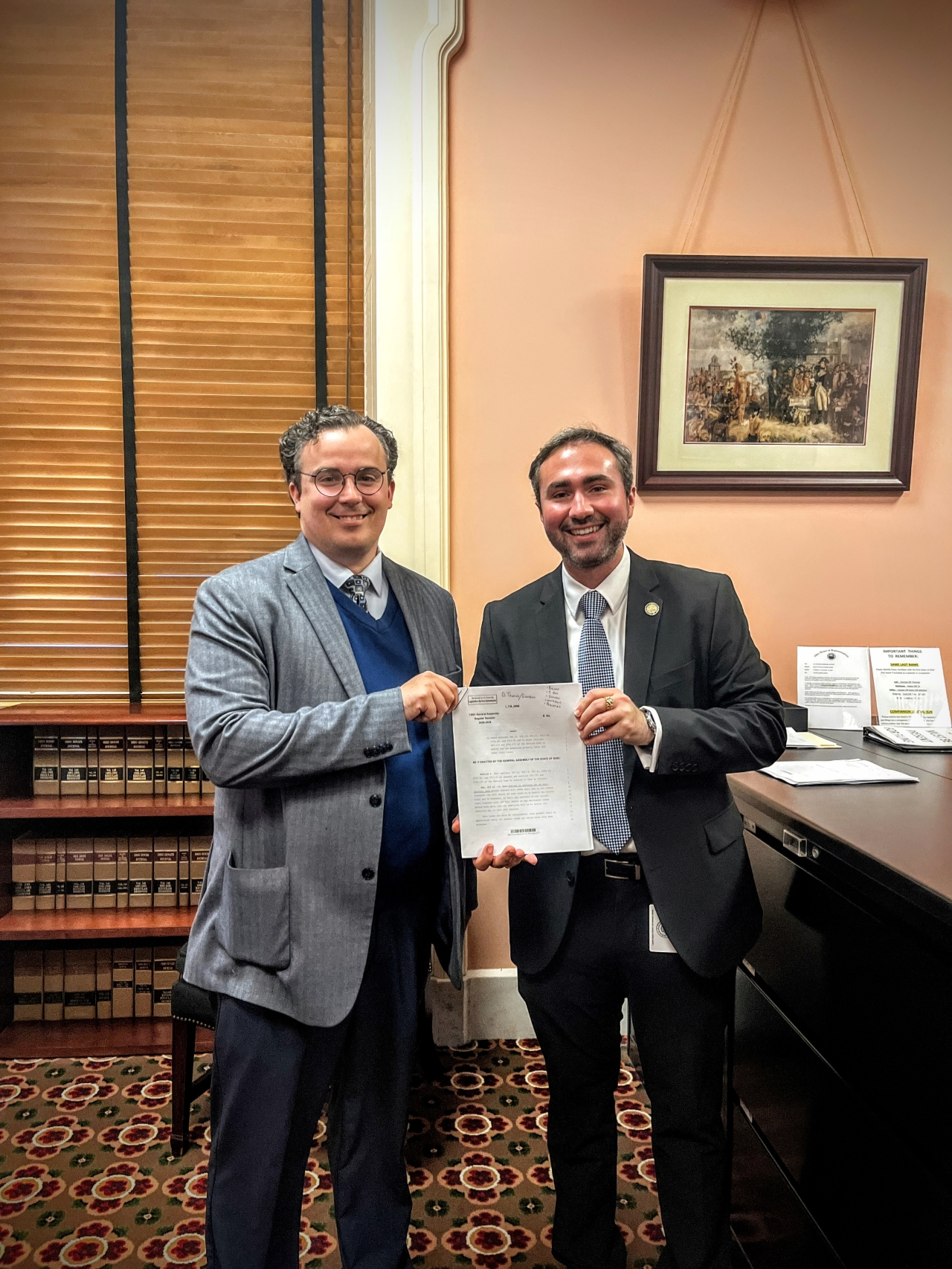
State Representatives David Thomas (R-Jefferson) and Chris Glassburn (D-North Olmsted) introduced bipartisan legislation proposing multiple reforms to increase transparency and protections for Ohioans. House Bill 608 is a response to mounting concerns from homeowners and local officials about the processes and complexity of the current property tax system.
"These changes are each small, but they add transparency and assist the taxpayer in understanding the system better. Improvements to ballot language, help with new home development, longer payment periods and payment plan requirements, and valuation postcards just make sense,” said Rep. Thomas.
House Bill 608 works to do the following:
- Guarantee at least 30 days between the mailing of a property tax bill and its due date;
- Require counties to offer property tax payment plans to help homeowners manage costs;
- Allow excess Real Estate Assessment Fund dollars to be returned directly to owner-occupied households;
- Extend from 8 to 10 years the period during which a property’s value can remain fixed if it is being developed for future sale as a homesite but has not yet been sold;
- Require mailed notice to property owners of any changes to their property valuation; and
- Permit levy ballot language to include conditional “if this…then that…” statements to give voters clearer information about potential impacts.
“Taxpayers should have a system that works for them, one that is transparent and as fair as possible,” said Rep. Glassburn. “Today I introduced legislation with Rep. Thomas to expand taxpayers' rights and improve processes within our property tax system. These changes are one part of a larger effort to improve our property tax system for everyday Ohioans.”
Ohio’s property tax system provides critical funding for local schools, libraries, and first responders, generating around $24B in local revenue annually. However, the inconsistency in taxpayer notifications, the lack of flexible payment plan options, and confusing ballot language increase frustration among homeowners and local governments. The bill’s sponsors say their proposed legislation is designed to address these challenges by increasing transparency, strengthening flexibility, and ensuring greater fairness throughout the property tax process.
The bill now awaits referral to a House Committee for further consideration.