



Rep. Cockley Votes No on Gas Tax Holiday, Ohioans Deserve More
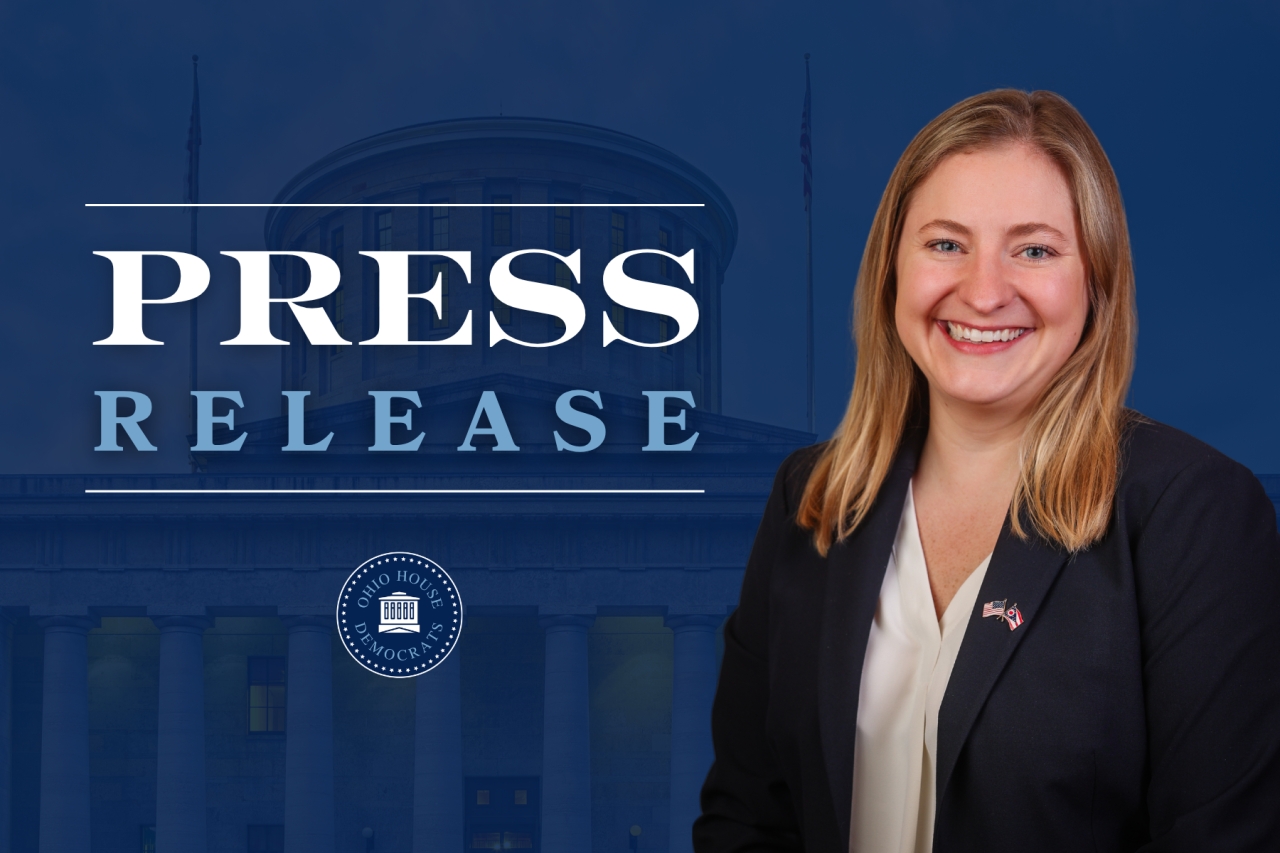
COLUMBUS — State Rep. Christine Cockley (D-Columbus) today refused to support a 90-day gas tax holiday, saying Ohioans need relief at the pump, but the Republican proposal is not the best use of $725 million in state funds while families continue to struggle with the cost of health care, child care, groceries, housing, utilities and other basic expenses.
“I voted no because Ohioans deserve more than an election-year Band-Aid. The war with Iran caused this latest spike at the pump, but similar tax holidays in other states delivered only limited relief and some of that money will benefit out-of-state drivers,” said Rep. Cockley. “Families here have faced an affordability crisis for years, yet it took election-year panic for Republicans to act. Ohioans see right through it. They deserve lasting, enforceable relief that actually reaches their pockets. The affordability crisis is not new and does not end at the pump.”
Ohioans absolutely need relief from high gas prices, but a temporary gas tax holiday does not address the broader affordability crisis facing Ohio families. For a family already struggling to pay for health care, child care, groceries, housing and utility bills, $750 million could provide more targeted assistance that reaches Ohioans across their household budgets. Affordability issues do not stop at the gas pump.
Also, Ohio’s affordability crisis did not begin five weeks before an election. Ohioans have been dealing with high costs for years. Gas prices reached an average of $4.83 per gallon in May, yet Republicans did not move forward with a gas tax holiday until the final weeks before the election.
Legislation to reduce the gas tax was proposed in May, at the beginning of the busy summer travel season, but majority Republicans sat on that proposal. Then suddenly, 30 days before the election, suspension of the gas tax is politically convenient because their candidate for governor’s poll numbers are bad. So, Republican legislative leaders stood with him at a press conference and threw up a hail Mary scheme hoping to save his candidacy. Ohioans aren’t buying it.
Ohio House Democrats offered an alternative plan that would have provided immediate gas tax relief while making the state's resources go further for Ohio families. That proposal would have used the $1 billion previously allocated for the Cleveland Browns stadium, and would have included a $150 residential energy rebate, stronger enforcement to make sure gas tax savings reach consumers, and expanded homestead property tax relief.
The legislation also provides weak enforcement compared to the Democratic alternative. While it requires the gas tax savings to be passed on to consumers and requires itemized receipts when requested, it does not give individual consumers a direct mechanism to seek recourse if they feel this protection has been violated.
The question is not whether Ohioans deserve gas tax relief. They do. The question is whether $750 million in state resources should be spent on a temporary benefit that addresses only one part of the cost-of-living crisis. Gas is a volatile commodity subject to many factors that can cause its price to fluctuate widely. The state fuel tax is a small component of that. The main culprit for today’s high prices is the continuation of the failed war in the middle east. Gas prices will be back up again if that war doesn’t conclude soon, and there won’t be anything else state lawmakers can do about it.
Ohio House Democrats have introduced legislation addressing health care, child care, housing, utilities, property taxes and other costs that are squeezing Ohio families throughout the General Assembly. Democrats remain willing to work with anyone to deliver meaningful relief, but Ohioans deserve a plan that does more than provide temporary relief of one factor impacting a household budget.